


Biodiversity Evaluation
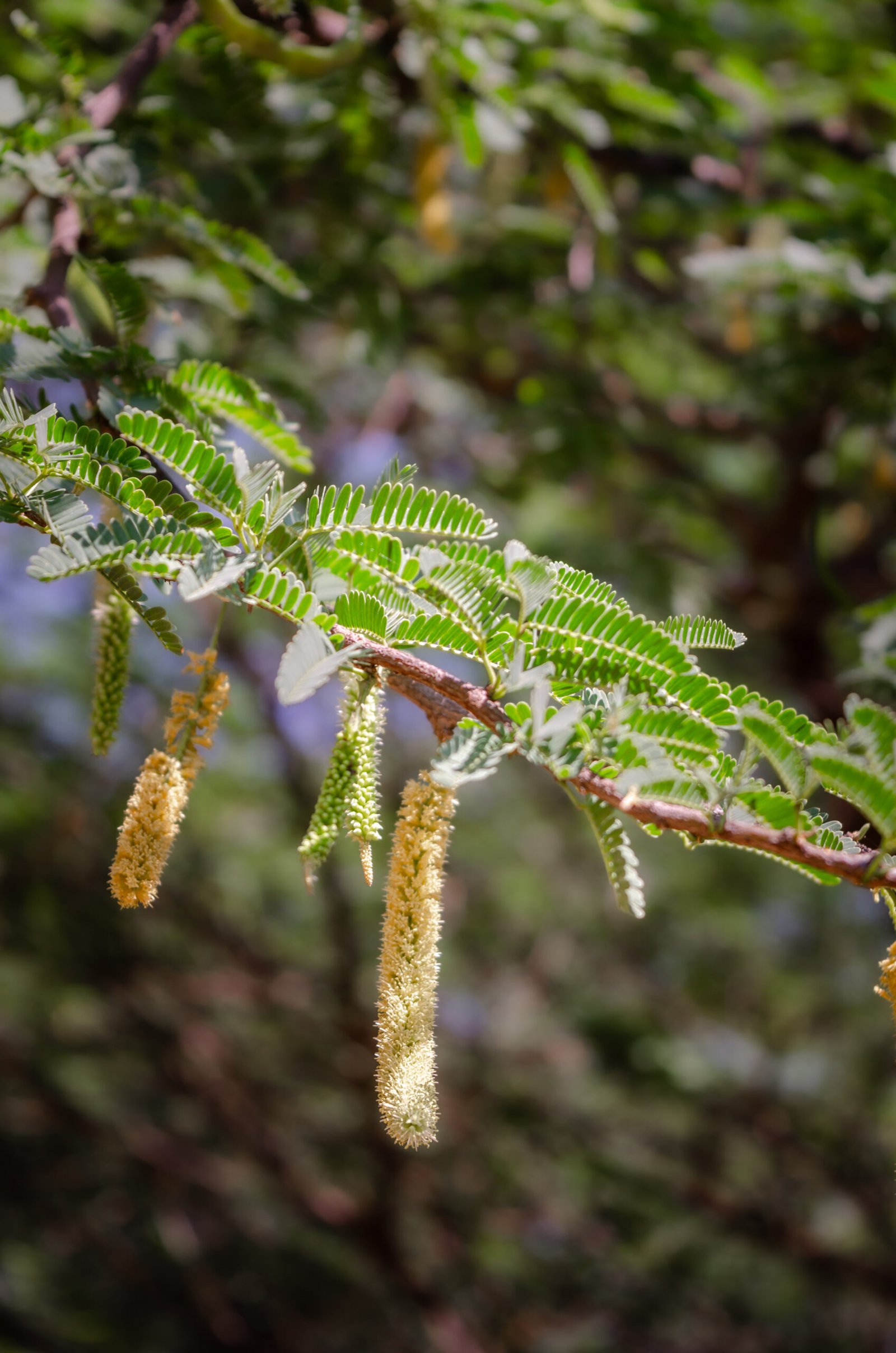
The forest in the project area falls under the category of Northern Tropical Thorn Forest, as classified by Champion and Seth (1968). This forest type is characterised by sparse vegetation and thorny tree species adapted to arid and semi-arid conditions. Prominent species identified in this forest type include Senegalia senegal, Prosopis cineraria, Vachellia leucophloea, Vachellia nilotica, Ziziphus spp., and Salvadora spp. In addition, introduced species such as Acacia tortilis and Prosopis chilensis were found to be widely planted in this region, often contributing to vegetation cover in degraded areas.
Summary of Assessment and Key Findings from Biodiversity Assessment
| S. No. | Assessing Points | Key Findings | Remarks |
|---|---|---|---|
| 1 | Floral Composition of the Aravallis |
|
|
| 2 | Botanical Families and their Abundance |
|
|
| 3 | Floral Nativity and Invasiveness |
|
|
| 4 | Avifauna |
|
|
| 5 | Terrestrial Fauna |
|
|
*Shannon’s Diversity Index – Measures species diversity; Simpson’s Diversity Index – Measures species dominance
Vegetation Assessment
The methodology for the Vegetation assessment in the project area is largely based on the National Working Plan Code (NWPC), 2023 prescribed by the Ministry of Environment, Forest and Climate Change. According to the NWPC 2023, a grid-based sampling approach was used to assess plant diversity and vegetation structure.
A total of 60 species were identified in the project area. Shrubs were the most dominant category, accounting for 37% of the recorded species. Herbs followed with 27%, while trees made up 20% of the floral population. Sub-shrubs constituted 8%, grasses 5%, and mosses were the least represented at 3%. This distribution highlights the predominance of lower and mid-canopy vegetation in the Aravalli ecosystem, with relatively sparse tree cover, a typical feature of tropical thorn forests.
Species Identified in the Project Area
| S. No. | Name of the Species | Plant Category | Native/Invasive |
|---|---|---|---|
| 1 | Abutilon indicum | Shrub | Native |
| 2 | Acacia leucophloea (Vachellia leucophloea) | Tree | Native |
| 3 | Acacia nilotica (Vachellia nilotica) | Tree | Native |
| 4 | Acacia senegal (Senegalia senegal) | Shrub | Native |
| 5 | Acacia sp. | Tree | Invasive |
| 6 | Acacia tortilis (Vachellia tortilis) | Shrub | Invasive |
| 7 | Achyranthes aspera | Subshrub | Native |
| 8 | Actiniopteris radiata | Herb | Native |
| 9 | Aerva javanica | Shrub | Native |
| 10 | Anogeissus pendula (Terminalia pendula) | Shrub | Native |
| 11 | Arundinella pumila | Herb | Native |
| 12 | Azadirachta indica | Tree | Native |
| 13 | Balanites aegyptiaca | Tree | Native |
| 14 | Calotropis procera | Shrub | Native |
| 15 | Capparis decidua | Shrub | Native |
| 16 | Capparis spinosa | Shrub | Native |
| 17 | Carissa spinarum | Shrub | Native |
| 18 | Cassia fistula | Tree | Native |
| 19 | Cassia occidentalis (Senna occidentalis) | Subshrub | Invasive |
| 20 | Croton bonplandianus | Shrub | Invasive |
| 21 | Cyanthillium cinereum | Herb | Native |
| 22 | Cynodon dactylon | Herb | Native |
| 23 | Cyperus nutans | Shrub | Native |
| 24 | Dalbergia sissoo | Shrub | Native |
| 25 | Dicliptera paniculata | Herb | Native |
| 26 | Elytrophorus spicatus | Grass | Native |
| 27 | Eragrostis sp. | Grass | Native |
| 28 | Eulaliopsis binata | Herb | Native |
| 29 | Euphorbia hirta | Herb | Invasive |
| 30 | Fallopia convolvulus | Herb | Native |
| 31 | Flueggea leucopyrus | Shrub | Native |
| 32 | Gymnosporia senegalensis | Shrub | Native |
| 33 | Holoptelea integrifolia | Tree | Native |
| 34 | Indigofera linnaei (Indigofera tsiangiana) | Subshrub | Native |
| 35 | Justicia adhatoda | Shrub | Native |
| 36 | Lantana camara | Shrub | Invasive |
| 37 | Neltuma juliflora | Tree | Invasive |
| 38 | Ocimum gratissimum | Herb | Native |
| 39 | Ocimum tenuiflorum | Subshrub | Native |
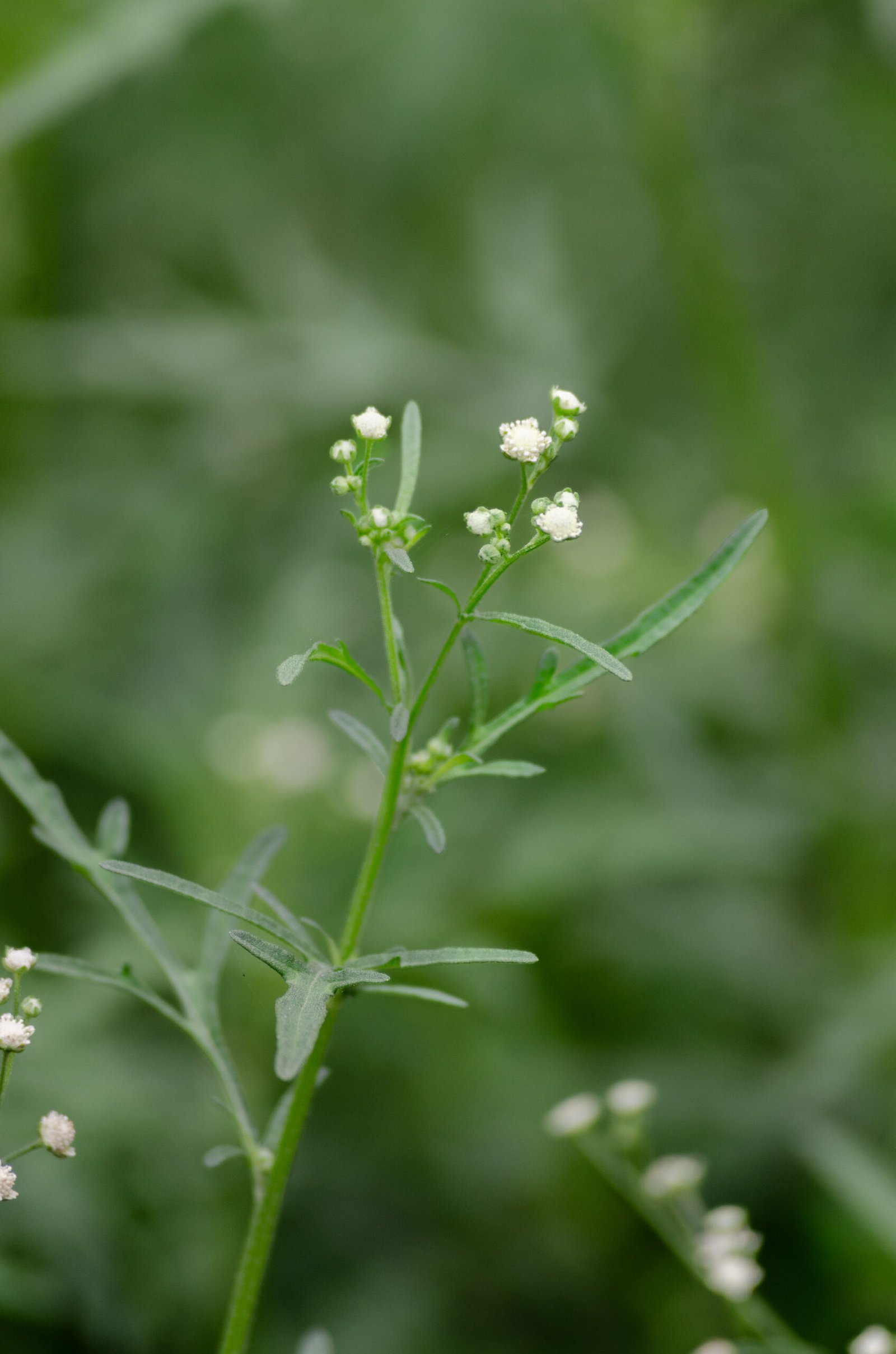
| 40 | Parthenium hysterophorus | Herb | Invasive |
| 41 | Physalis sp. | Shrub | Native |
| 42 | Plumbago zeylanica | Shrub | Native |
| 43 | Pongamia pinnata | Tree | Native |
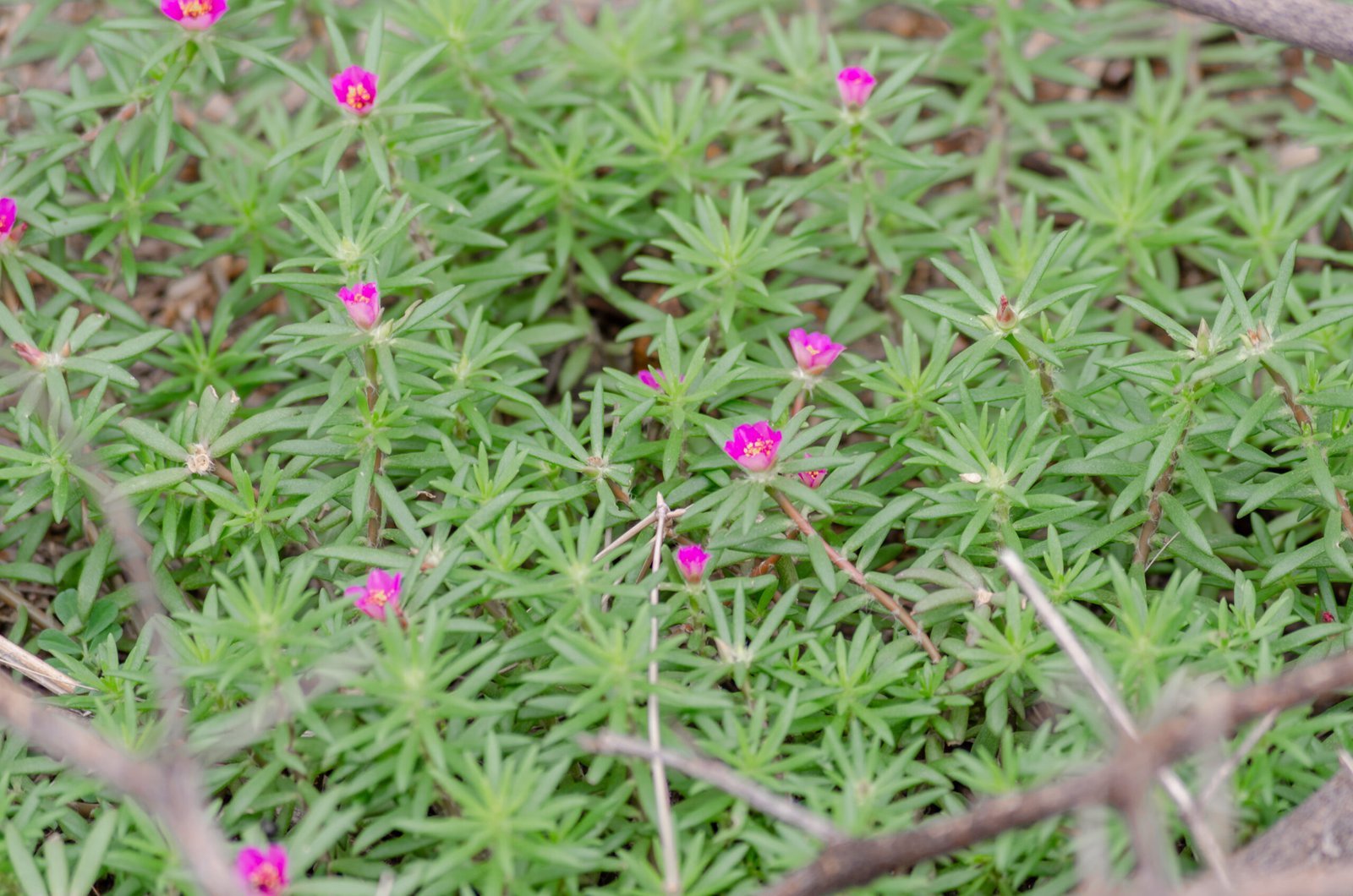
| 44 | Portulaca oleracea | Herb | Invasive |
| 45 | Prosopis cineraria | Tree | Native |
| 46 | Prosopis glandulosa (Neltuma glandulosa) | Tree | Invasive |
| 47 | Rumex pulcher | Herb | Invasive |
| 48 | Saccharum bengalense | Grass | Native |
| 49 | Saccharum spontaneum | Herb | Native |
| 50 | Selaginella sp. | Moss | Native |
| 51 | Senegalia catechu | Tree | Native |
| 52 | Sesamum indicum | Herb | Native |
| 53 | Sida cordifolia | Shrub | Native |
| 54 | Sonchus asper | Herb | Invasive |
| 55 | Sphagnum | Moss | Native |
| 56 | Tephrosia purpurea | Subshrub | Native |
| 57 | Tephrosia vogelii | Shrub | Invasive |
| 58 | Tridax procumbens | Shrub | Invasive |
| 59 | Xanthium strumarium | Herb | Native |
| 60 | Ziziphus nummularia | Shrub | Native |
Biodiversity (vegetation) Indices
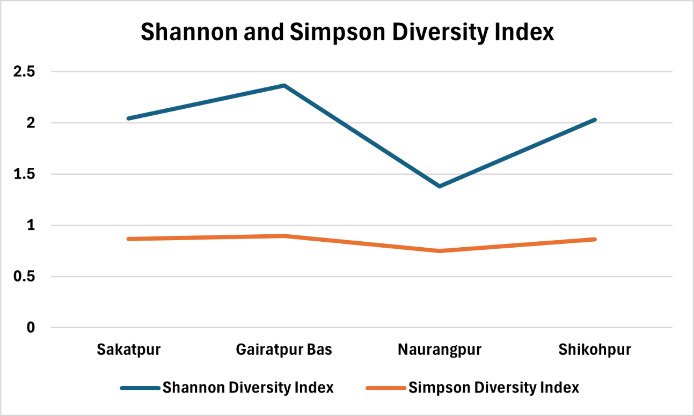
Village-wise values of biodiversity indices for flora in the study area
| S. No. | Village | Shannon Index | Simpson Index | Interpretation |
|---|---|---|---|---|
| 1 | Gairatpur Bas | 2.36 | 0.90 | Moderate Diversity |
| 2 | Naurangpur | 1.38 | 0.75 | Low to Moderate Diversity |
| 3 | Sakatpur | 2.04 | 0.86 | Moderate Diversity |
| 4 | Shikohpur | 2.03 | 0.86 | Moderate Diversity |
Wildlife assessment
Avifauna
The avifaunal survey was conducted using the Point-Count Method, a standard technique for bird population assessment. Survey locations were carefully selected along the Leopard Trail to capture representative habitat conditions. A total of 36 bird species were documented during the survey period from December 2024 to February 2025.
Terrestrial fauna
Data for the terrestrial fauna was gathered through direct sightings and indirect evidence such as scat, pug marks, and signs of habitat usage.
Key observations include:
Indian leopard (Panthera pardus fusca) – Movement confirmed via scat and pug marks, indicating presence across the landscape.
Wild boar (Sus scrofa cristatus) – Identified through foraging pits.
Blue bull/Nilgai (Boselaphus tragocamelus) – Frequently sighted in open and scrub areas.
Indian porcupine (Hystrix indica) – Recognised by quills and scat.
Indian palm squirrel (Funambulus palmarum), domestic cattle (Bos taurus/indicus), and goats (Capra hircus) were commonly observed, suggesting human-wildlife interface.