About the Project
Strategic Framework for Eco-Restoration
The project adopts a strategic framework for eco-restoration that bridges scientific planning with community-led governance. This framework sets out a phased, adaptive approach, beginning with comprehensive baseline assessments, moving through targeted restoration measures, and culminating in long-term monitoring and policy integration.
Key thematic pillars of the framework include –
- Restoration techniques
- Community participation
- Capacity building
- Conservation technologies
- Traditional Knowledge Systems
- Innovation or policy support mechanisms
Under these themes soil and water conservation, removal and ecological replacement of invasive species, native species reforestation, revival of traditional water bodies, enhancement of wildlife corridors, and livelihood diversification through nature-based enterprises have been recommended. The approach integrates both ecological and socio-economic dimensions, ensuring that restoration measures address biodiversity loss and climate vulnerability while also providing tangible benefits to local communities.
Model – Macro and Micro Plans
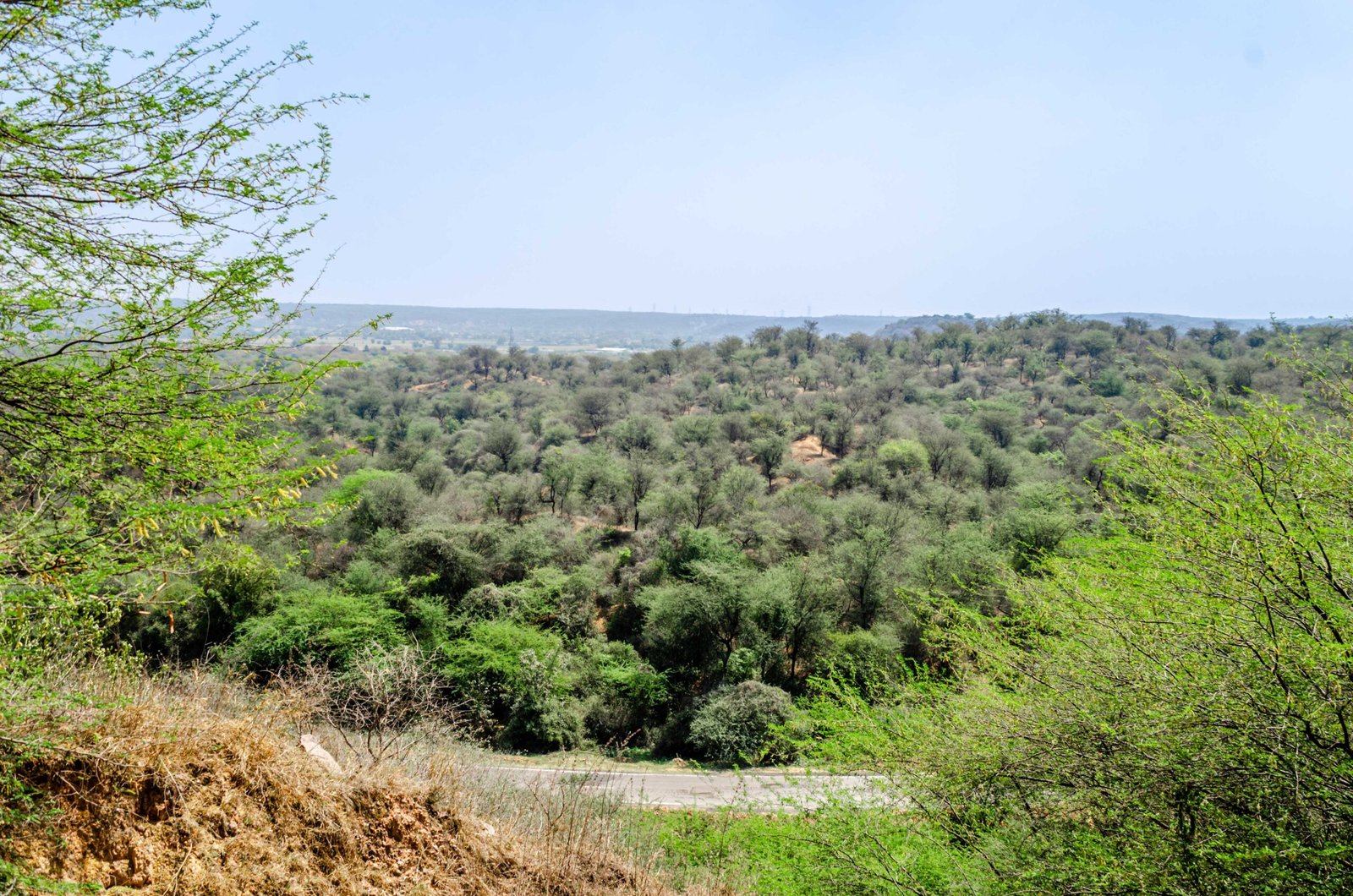
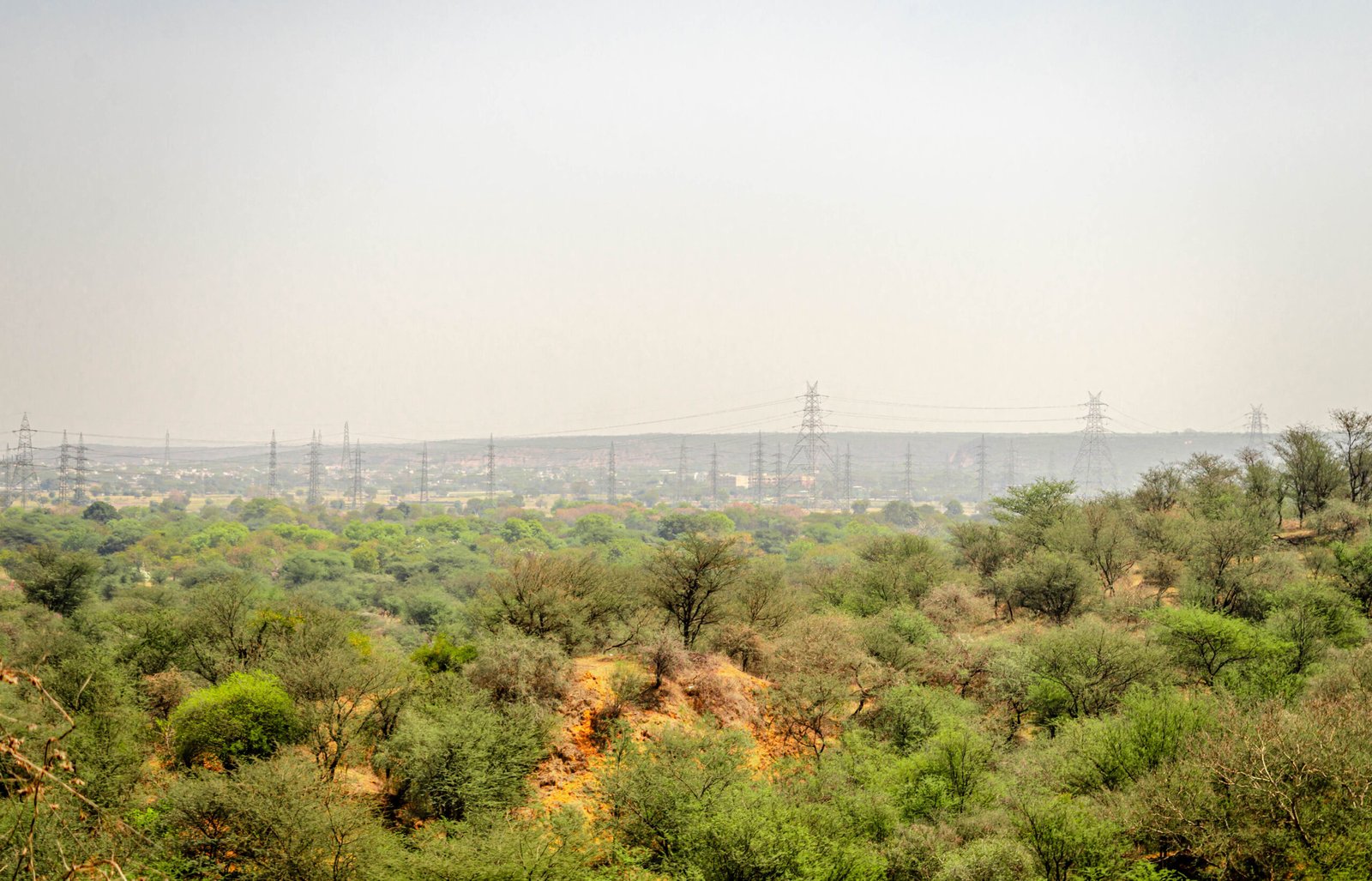
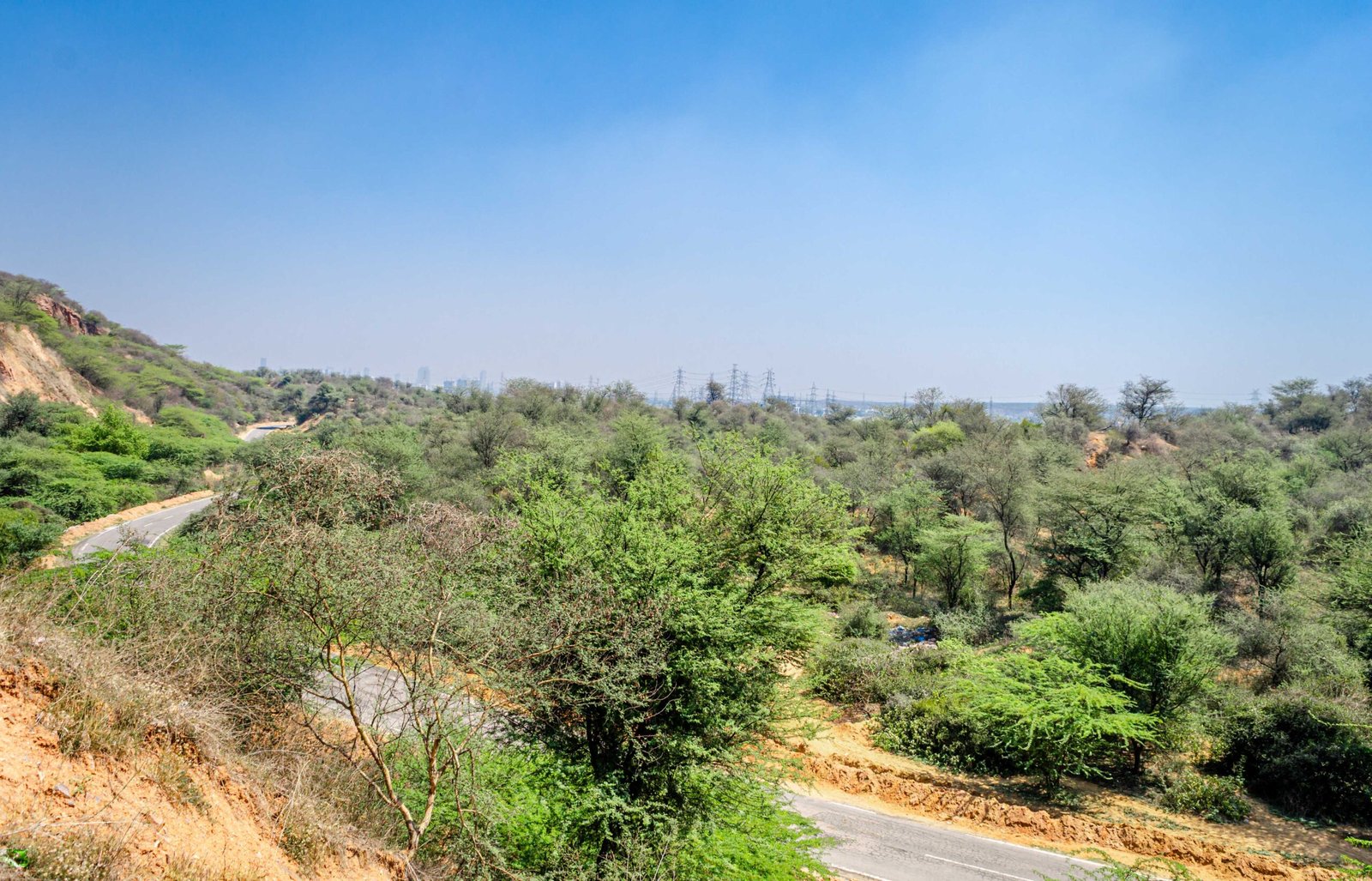
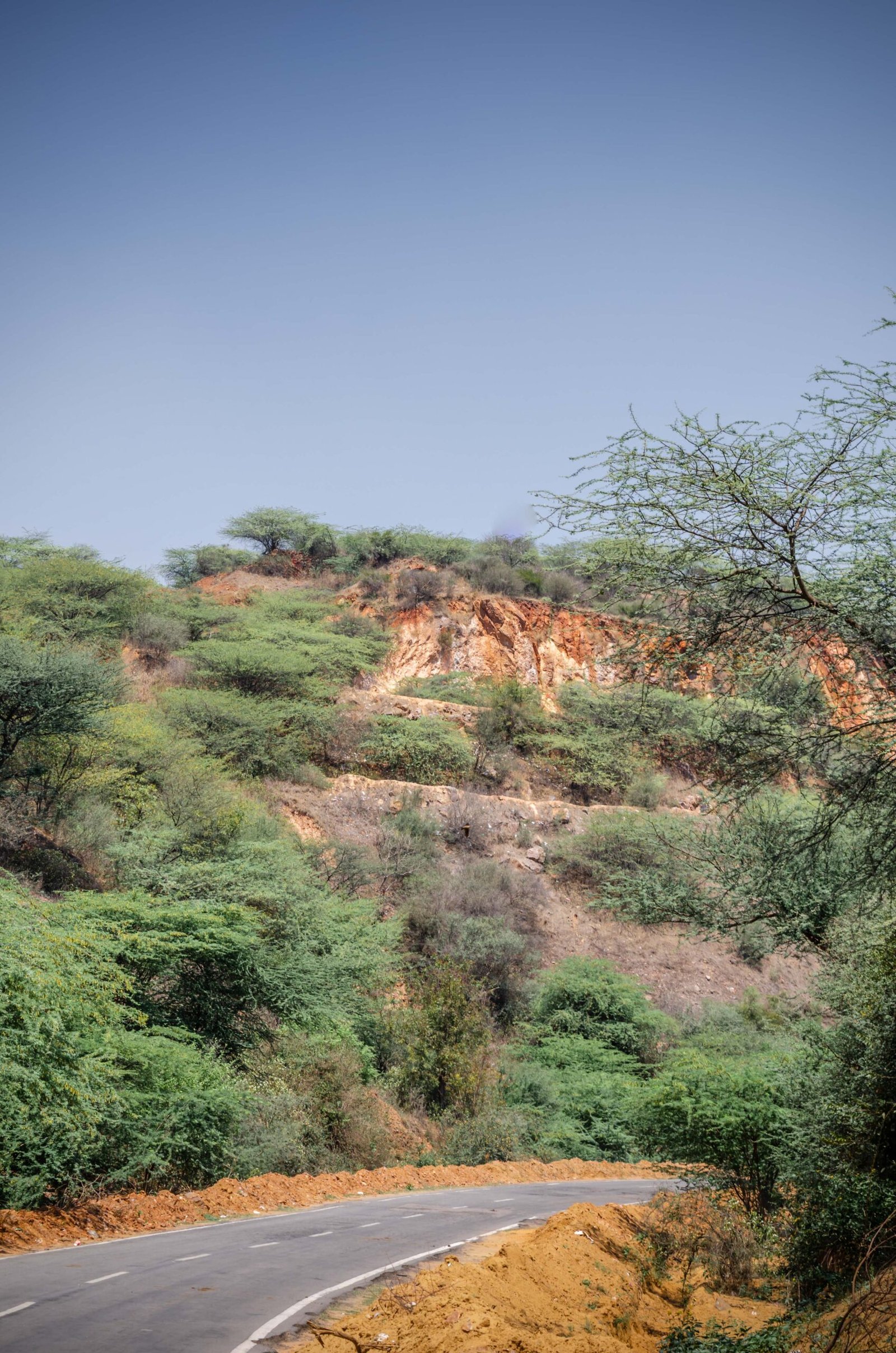
A model macro plan has been devised to provide a landscape-level vision for the restoration of the Aravalli forests, integrating biodiversity enhancement, soil and water conservation, and livelihood development.
The eco-restoration plan incorporates interventions such as contour trenching and bunding for erosion control; bioswales, check dams, and percolation ponds for groundwater recharge; creation of buffer and wildlife corridors; mechanical and manual removal of invasive species; enrichment planting with climate-resilient native flora; and the development of blue-green infrastructure in the villages.
Detailed micro plans have been prepared for each of the four villages, namely, Gairatpur Bas, Shikohpur, Sakatpur, and Naurangpur, based on their unique ecological profiles and socio-economic contexts.
The micro plans specify site-appropriate species selection and planting schedules, designs for water harvesting structures, nursery development protocols, strategies for pastureland restoration, and measures for community-managed eco-tourism initiatives.
The plans form a scalable, adaptable blueprint for eco-restoration that is applicable to other degraded forested landscapes in semi-arid and peri-urban settings.
Potential for Replication and Scalability across Aravallis
he proposed eco-restoration model demonstrates a viable pathway for restoring degraded forest patches within urbanising regions. Its grounding in site-specific data, community inclusion, and policy alignment makes it highly adaptable to other parts of the Aravalli range. Furthermore, the model aligns with several flagship initiatives such as the Aravalli Green Wall Project and the Haryana State Action Plan for Aravalli Landscape Restoration.
The integration of blue-green infrastructure, MIS-based monitoring, and ecosystem service accounting offers a template for ecologically sensitive urban development in other similarly degraded urban regions as well. By prioritising nature-based solutions and participatory governance, this project contributes not only to ecological restoration but also to sustainable development and resilience-building.