Components
Eco-Restoration
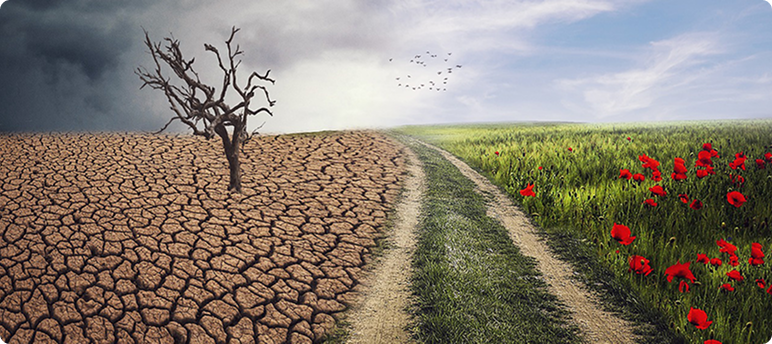
- Eco-restoration (Ecological Restoration) is the process of repairing damaged ecosystems to restore their health, biodiversity, and functionality.
- It involves reviving degraded habitats—such as forests, wetlands, and coral reefs—through actions like reforestation, pollution control, and species reintroduction. Equally important is conserving intact ecosystems to prevent further loss.
- Eco-restoration involves Assisted Natural Regeneration (ANR), planting native species, and implementing soil and moisture conservation techniques to enhance the ecosystem’s health and resilience.

Community Participation
- Community will be at the center of the project implementation and planning, especially women, is at the core of the project.
- Joint Forest Management Committees (JFMCs) would lead all interventions on forest areas, implementing plantation, reforestation, and soil moisture conservation work under the technical supervision of forest departments. For the restoration of pastureland, scrub, and degraded areas beyond forests, support would be leveraged from dairy cooperatives, Self-Help Groups (SHGs), and Panchayati Raj Institutions.
- Participatory Appraisal exercises have been conducted to ascertain the community needs and get their input especially on choice of species and planned interventions.
Capacity Building
- Large-scale capacity-building efforts will target ground-level staff of different state departments including forest, community members, women SHG members, and grassroot stakeholders.
- Training would cover plantation, selection of important native species, agroforestry techniques, water budgeting and water-use efficiency, crop management, nursery management, and soil moisture conservation.
- Specialized training exercises would focus on managing important ecological systems like wetlands and wildlife corridors.
- Modules on sustainable harvesting, value addition, and preparation of People’s Biodiversity Registers have been included.
- For livestock, training would include grazing management, ratio balancing, fodder and feed management, agri-pastoral and horti-pastoral systems, and livestock upkeep for productivity improvement.
Conservation and Monitoring (Tools & Techniques)
- It is suggested to integrate technological interventions in project monitoring and execution.
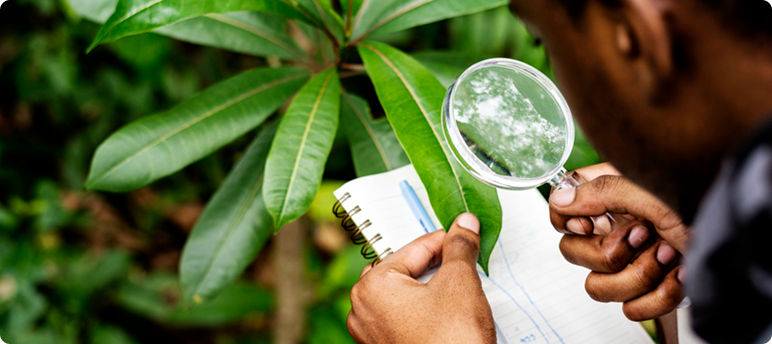
- Progress in plantation and the resultant impact would be measured through monitoring, surveys, and remote sensing.
- Additionally, carbon stock assessment and changes in status of land degradation would be conducted to measure the impact of activities.
- Robust monitoring mechanisms would be established to periodically track progress and conduct performance reviews with ensured transparency for course correction.
Innovative Measures
- Utilizing advanced GIS Mapping and Remote Sensing technology for mapping and monitoring the Aravallis.
- Establishing a Scientific system for Tracking of Biodiversity and to monitor changes in biodiversity and habitats.
- Creating research and monitoring verticals under institutions like the Botanical Survey of India (BSI) and Zoological Survey of India (ZSI).
- Integrating Traditional Knowledge and conservation methods with scientific practices for water management and planting.